| Chasing DX from Northern Hamilton County Florida
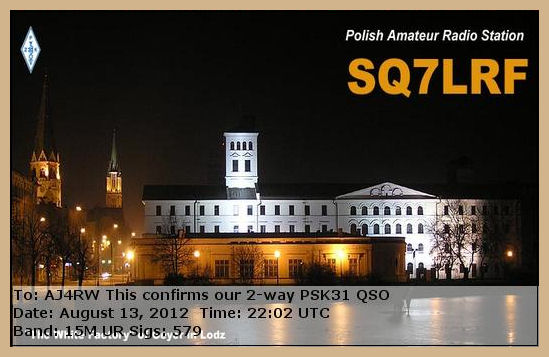 The last of August continued to be quite active and with the coming of fall, amateur radio bands will really start to be active. Not only will
the dxpeditions start picking up but a lot of one and two man/women teams start heading for the southern hemisphere to soak up some of the heat
and enjoy amateur radio. The South Pacific becomes a hot spot for northern hemisphere travelers.
The last of August continued to be quite active and with the coming of fall, amateur radio bands will really start to be active. Not only will
the dxpeditions start picking up but a lot of one and two man/women teams start heading for the southern hemisphere to soak up some of the heat
and enjoy amateur radio. The South Pacific becomes a hot spot for northern hemisphere travelers.
Another highly anticipated part of amateur radio is commencing to pick up, and one of my favorite activities, contesting. Whether you’re
just starting with contesting or an avid contester, fall, winter and spring are busy with contests. Already, the ARRL September VHF QSO
party took place September 8th through the 10th and on September 29th through the 30th, the CQ Worldwide DX RTTY contest starts.
Whether you are just looking to make some quick short contacts, work some good dx, or like contesting, the fun is just beginning. Contesting
also gives you a chance to work some fairly exotic dx. Some of the bigger contests sure bring out a mess of hams from all over the
world. The best aspect of it is that those exotic dx stations are just as interested in talking to you as you are to them. They pick
up points for each contact. Just in the last CQ SSB contest last March I was able to pick up a few nice dxcc entities like
Guinea-Bissau (J52HF) and Mayotte (TO7BC), both African entities.
If you are new to contesting, there are a few things you might want to do before you start. One thing is to look for the contest rules
to see what the exchange will be. That way when the contest begins you won’t be stumbling around at what to say for your exchange
part. A good place to find all the valuable information needed for just about any contest
is http://www.hornucopia.com/contestcal/weeklycont.php. This is pretty much the most comprehensive site for contesting I know
of. Here you can find what contests are happening this week, the next month and the next year. Also it gives a rundown of
the contests including what the exchange will be.
Also while contesting, try and get a feel for what’s most comfortable for you. Do you like calling “CQ contest” or “search and
pounce”. When contesting I try and do a little of both but mostly calling CQ contest. When I really want a rare dx station I
go into the “search and pounce mode. With the help of the cluster, if he’s on the air I usually find him.
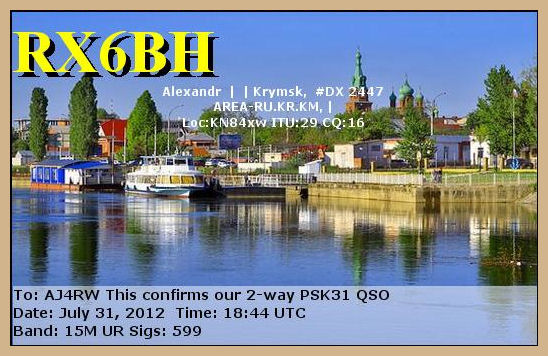 Another helpful idea is if you enjoy contesting and feel like entering the contest besides trying to find rare dx stations is to use a contest
logging program. There are a lot available on the web, some free and some you have to pay for. Probably the most popular
program and one that’s used by a lot of major contesting stations is “N1MM”. The contest station I operated from this last spring used
N1MM exclusively. Probably the best thing about this program is that it’s FREE. This program offers a multitude of contests
you can enter including US and most major international contest. It does have a learning curve to it so it’s nice to set it up and get
it running long before the contest that you want to participate in starts. I personally use N3FJP’s contest logging program
but it costs. The upside to that is it doesn’t have a steep learning curve to use it. The downside is it’s pretty much
restricted to US contest. No matter what your interests are in amateur radio, there’s always a different avenue that you can travel.
Another helpful idea is if you enjoy contesting and feel like entering the contest besides trying to find rare dx stations is to use a contest
logging program. There are a lot available on the web, some free and some you have to pay for. Probably the most popular
program and one that’s used by a lot of major contesting stations is “N1MM”. The contest station I operated from this last spring used
N1MM exclusively. Probably the best thing about this program is that it’s FREE. This program offers a multitude of contests
you can enter including US and most major international contest. It does have a learning curve to it so it’s nice to set it up and get
it running long before the contest that you want to participate in starts. I personally use N3FJP’s contest logging program
but it costs. The upside to that is it doesn’t have a steep learning curve to use it. The downside is it’s pretty much
restricted to US contest. No matter what your interests are in amateur radio, there’s always a different avenue that you can travel.
One last thing to consider before a contest or major dxpedition is to check your station out for any flaws. Make sure your antennas and
coax are in good shape. Make sure your transceiver or transmitter/receiver is working okay, test them with a few QSO’s. Don’t
forget to make sure your computer/programs are functioning alright. Just remember, HAVE FUN!!
Right now as I’m writing this I’m also trying to work a fairly rare dx station, NH8S. There are a group of amateur radio operators
on Swains Island presently. Swains Island is an atoll in the Tokelau chain. Tokelau chain is an unincorporated unorganized
territory of the United States administered by American Samoa. It’s located in the South Pacific and is northeast of Australia.
They will be departing the island September 19 so if you wish to work them, you have until the day before.
They sure have provided me with a lot of good operating time with the pile ups starting out as enormous but now in the final days are
thinning out. Because of the rarity of this dxpedition and most others they do operate split. For those of you who don’t
know what split is, split is where the dxpedition will transmit on one frequency (the frequency you will be listening to) and receiving on
another (the frequency you will be transmitting on). If they didn’t do it this way, the frequency would be so congested no one would be
able to contact them. Usually their receive frequency will be spread out over several KC’s Most modern transceivers offer
the “split” availability as one of the features of the radio.
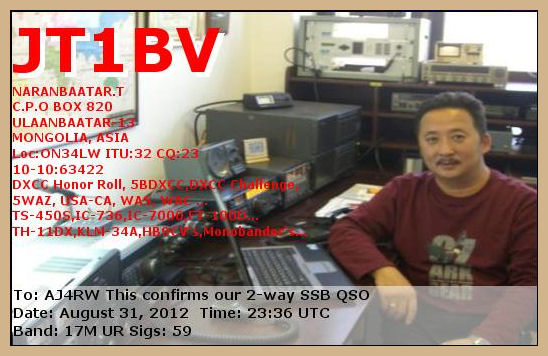 This past month has seen a lot of good dxpeditions and rare to semi-rare dx stations on the air. Currently Palau, Svalbard and Niue
just to name a few are active on the air. Also coming up shortly will be Micronesia, Christmas Island and Cocos Keeling with many
more right behind them. This coming next 9 months should offer a multitude of opportunities to visit around the world without leaving
the comforts of your shack.I’ve been focusing on this Swains Island so much that my contact with other parts of the world has suffered somewhat but
still had hours of fun!
Even though I’ve spent a lot of time working on Swains Island, I’ve still been able to work some fairly rare dx stations located in some fairly
exotic countries like Gabon (TR8CA) in Africa. Even though our contact was short it still provided me with a lot of fun.
This past month has seen a lot of good dxpeditions and rare to semi-rare dx stations on the air. Currently Palau, Svalbard and Niue
just to name a few are active on the air. Also coming up shortly will be Micronesia, Christmas Island and Cocos Keeling with many
more right behind them. This coming next 9 months should offer a multitude of opportunities to visit around the world without leaving
the comforts of your shack.I’ve been focusing on this Swains Island so much that my contact with other parts of the world has suffered somewhat but
still had hours of fun!
Even though I’ve spent a lot of time working on Swains Island, I’ve still been able to work some fairly rare dx stations located in some fairly
exotic countries like Gabon (TR8CA) in Africa. Even though our contact was short it still provided me with a lot of fun.
Remember, whatever activity/activities you wish to indulge in, the goal is to have FUN!!!
73 de Randy AJ4RW
|
